

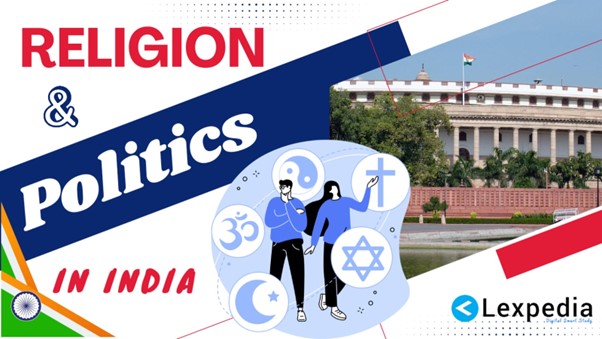
Religious–Political Row in India: Power, Faith, and a Deepening National Divide
Religious–political row in India has once again taken center stage as tensions between religious authorities and political leadership intensify, sparking widespread debate across the country. The clash is not just about personalities or statements—it reflects deeper questions about governance, constitutional boundaries, religious freedom, and the future direction of Indian democracy.
This escalating confrontation has drawn reactions from political parties, religious leaders, civil society, and ordinary citizens, turning it into a national talking point that goes far beyond a single incident.
What Triggered the Latest Religious–Political Row in India?
The current religious–political row in India emerged after sharp public disagreements between influential religious figures and state-level political leadership. Statements questioning authority, governance style, and the role of religion in public life quickly snowballed into a larger controversy.
What began as ideological disagreement soon evolved into:
-
Accusations of disrespect toward religious institutions
-
Counterclaims of political interference in faith matters
-
Administrative actions that intensified the conflict
This rapid escalation highlighted how fragile the balance between religion and politics has become in modern India.
Religion and Politics: A Long-Standing Relationship in India
To understand the religious–political row in India, one must acknowledge that religion has always played a significant role in the country’s political landscape.
India’s constitution guarantees:
-
Freedom of religion
-
Secular governance
-
Equal treatment of all faiths
Yet, politics and religion often intersect, especially during:
-
Elections
-
Temple and land disputes
-
Religious processions and festivals
-
Policy decisions affecting faith-based institutions
This overlap creates a sensitive environment where disagreements can quickly escalate into national controversies.
Constitutional Values at the Heart of the Debate
At the core of the religious–political row in India lies a crucial constitutional question:
Where does governance end and religious autonomy begin?
Legal experts argue that:
-
The state must remain neutral toward all religions
-
Religious institutions should not be tools of political power
-
Administrative actions must align with constitutional principles
Critics fear that excessive political involvement in religious affairs could weaken secularism, while supporters argue that governance requires oversight when public order or law is involved.
Public Reactions and Media Amplification
Social media and television debates have played a massive role in amplifying the religious–political row in India. Hashtags, opinion pieces, and viral clips have ensured the issue remains constantly in the spotlight.
Public reactions are deeply divided:
-
One section views the controversy as an attack on religious freedom
-
Another sees it as necessary governance and accountability
-
Many citizens express fatigue over constant polarization
This division reflects the broader ideological split within Indian society today.
Bureaucracy Caught in the Middle
One significant fallout of the religious–political row in India has been pressure on government officials and administrators. Bureaucrats often find themselves navigating between:
-
Political directives
-
Religious sentiments
-
Legal and constitutional obligations
Resignations, transfers, and administrative reshuffles linked to such controversies highlight the institutional strain caused by unresolved religious–political tensions.
Political Implications Ahead
The timing of the religious–political row in India is politically sensitive, especially with upcoming elections in various states. Political analysts believe:
-
Religious issues can influence voter sentiment
-
Parties may use the controversy to consolidate support bases
-
Opposition groups may frame it as a governance failure
Such disputes often reshape political narratives, making them crucial beyond the immediate incident.
Voices Calling for Dialogue and De-escalation
Amid the heated rhetoric, several voices—from academics to retired judges—have urged restraint. They emphasize that:
-
Dialogue is essential to prevent further polarization
-
Respect for institutions, both religious and political, is necessary
-
India’s diversity must remain a strength, not a fault line
Calls for calm highlight the need to resolve disputes through democratic and constitutional mechanisms rather than public confrontation.
Why This Religious–Political Row in India Matters Globally
India is often seen globally as a model of pluralism and democratic coexistence. The religious–political row in India attracts international attention because it raises concerns about:
-
Minority rights
-
Freedom of belief
-
Democratic norms
-
Social harmony
How India navigates these disputes shapes its global image and moral authority as the world’s largest democracy.
What Lies Ahead?
The religious–political row in India is unlikely to fade quickly. Its resolution—or lack thereof—will depend on:
-
Political maturity
-
Judicial interpretation
-
Civil society engagement
-
Public willingness to prioritize harmony
Whether this controversy becomes a turning point for constructive dialogue or deepens existing divisions remains to be seen.
Final Thoughts
The religious–political row in India is not just another headline—it is a reflection of the nation’s ongoing struggle to balance faith, power, and constitutional values. As debates rage on, the real challenge lies in ensuring that democratic principles prevail over polarization.
India’s strength has always been its ability to absorb differences and emerge stronger. The way this religious–political conflict is handled will test that strength once again.