

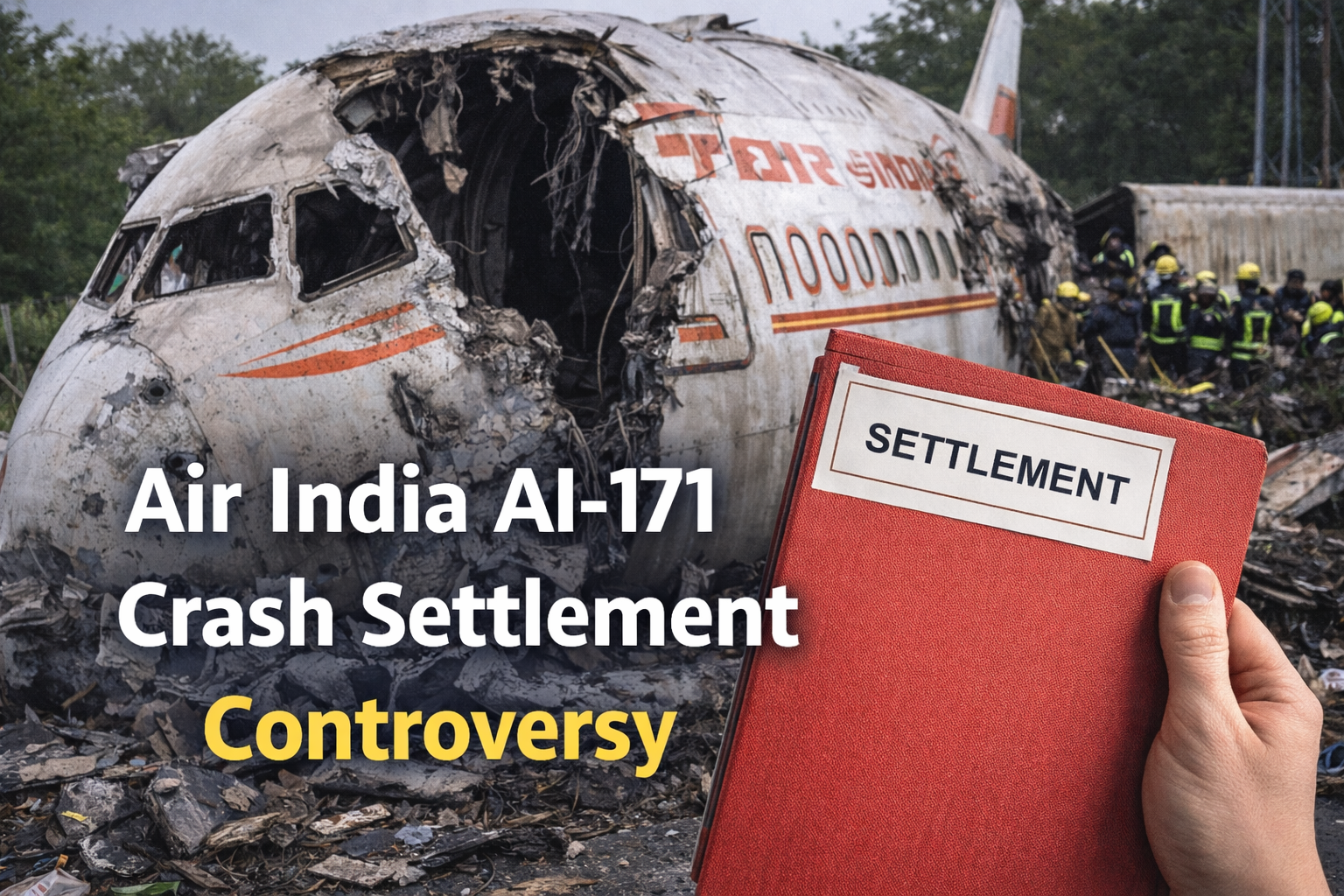
Air India AI-171 Crash Settlement Faces Backlash: Families Urged Not to Sign Proposed Compensation Terms
The Air India AI-171 crash settlement has become a deeply emotional and controversial topic after victims’ families were urged not to sign the compensation offered by airline officials following the tragic accident. Legal experts argue that the proposed settlement amounts and terms may be inadequate, unfair, or lack proper legal safeguards — especially considering the scale of the loss and the airline’s responsibilities.
This article explores the full context of the Air India AI-171 crash aftermath, what the settlement proposal includes, why lawyers are advising caution, and what this means for future aviation compensation practices.
The Air India AI-171 Crash: What Happened?
The Air India flight AI-171 experienced a fatal accident that resulted in multiple casualties and widespread national grief. Though aviation disasters are rare, when they occur they expose systematic weaknesses in safety protocols, airline accountability, regulatory oversight, and compensation mechanisms.
Initial investigations revealed that the aircraft encountered critical technical issues shortly after takeoff, which ultimately led to the crash. Preliminary reports by aviation authorities are ongoing, and independent technical investigations continue to determine root causes.
Proposed Settlement: What Families Were Offered
In the weeks following the AI-171 crash, Air India reportedly initiated discussions with the families of the victims about a compensation and settlement package. According to legal sources, the offer included:
-
A one-time lump sum compensation per victim
-
Coverage for funeral and related expenses
-
Limited assistance for legal and procedural costs
-
A waiver of future legal claims if families signed the agreement
The exact figures have not been publicly disclosed due to ongoing negotiations and privacy concerns, but insiders familiar with the process claim the amounts proposed are below international norms for aviation tragedies involving multiple civilian passengers.
Lawyers Urge Families Not To Sign
Following the announcement of the settlement offer, a group of prominent legal experts and advocates began advising families not to sign the proposed documents. Their primary concerns include:
1. Inadequate Compensation Levels
Lawyers argue that the lump sum offered may not sufficiently account for:
-
Long-term financial loss suffered by dependants
-
Emotional and psychological trauma
-
The economic value of future earnings
-
The full spectrum of incidental and indirect costs
In past aviation cases globally, compensation amounts have often been significantly higher when families pursued claims through legal channels rather than settling directly with airlines.
2. Broad Legal Waivers
Some parts of the proposed agreement reportedly include clauses requiring signatories to waive future legal claims, including negligence or regulatory violations. Legal experts say this could limit justice if new evidence emerges later in the crash investigation.
3. Lack of Transparency
Families and independent advocates have expressed concern that full details of the settlement discussions and the legal language used in the agreements were not disclosed clearly.
Legal Experts Weigh In
Attorney Chuck N. Chionuma, a specialist in aviation law, publicly urged families not to sign the settlement until:
-
Compensation is reviewed by independent legal counsel
-
Transparency is ensured in contractual language
-
Families have had time to understand long-term implications
Chionuma stated, “Families deserve fair compensation through a transparent process — not rushed agreements that limit their rights and future options.”
Why Settlement Offers Cause Controversy
Settlement offers in aviation incidents are often complex because they involve:
International Jurisdiction
When a crash involves foreign nationals or occurs abroad, claims may fall under multiple legal systems — complicating liability and compensation law.
Regulatory Scrutiny
Aviation regulators like the Federal Aviation Administration (FAA) and international bodies establish safety standards. If negligence or systemic oversight failure is proven, compensation may be far higher.
Precedent for Future Cases
How this settlement is handled could influence future aviation accident compensation practices involving Indian carriers.
Global Aviation Compensation Standards
In major aviation disasters, compensation payouts can vary widely depending on jurisdiction, airline policies, and legal frameworks. For example:
-
Under the Montreal Convention, maximum liability limits exist but may be challenged if negligence is proven.
-
Airlines often settle early to avoid prolonged litigation and negative publicity.
-
However, legal adjudication can sometimes secure higher settlements for victims’ families.
Legal experts believe that blindly signing the Air India AI-171 crash settlement might prevent families from accessing better compensation through appropriate legal channels.
Families and Support Groups Respond
Families of victims have reacted with emotional urgency. Some have expressed:
-
Shock at the sudden offer
-
Lack of clarity on legal terms
-
Emotional distress in making decisions
-
Desire for full transparency and fairness
Support groups have called for independent legal help, mental health counselling, and multi-stakeholder discussions including government representatives.
Government and Regulatory Responses
The Ministry of Civil Aviation has acknowledged the concerns raised and confirmed that:
-
The government is in touch with affected families
-
Regulatory safeguards will be reviewed
-
Oversight will ensure that aviation safety standards are upheld
However, officials have also urged families to exercise patience as investigations continue.
Ongoing Crash Investigation
Investigators from national aviation safety boards and technical experts are analysing:
-
Flight data recorder (black box)
-
Air Traffic Control (ATC) communications
-
Weather reports
-
Maintenance history
-
Crew communications
The final accident investigation report could take months, and its findings may have direct implications on settlement discussions and liability assignments.
Broader Impact on Air India
The AI-171 crash has already had repercussions on:
1. Public Perception
Travel confidence dipped temporarily, especially among flyers of Indian carriers.
2. Aviation Safety Discourse
The incident renewed calls for stricter safety audits, enhanced maintenance protocols, and better pilot training.
3. Financial Implications
Beyond compensation, airlines may face insurance claims, legal costs, and reputational damage.
What Families Should Consider Before Signing
Lawyers recommend victims’ families to:
- Consult an independent aviation attorney
- Clarify all legal terms in the settlement
- Understand the financial and legal implications
- Avoid undue pressure from rushed deadlines
- Consider pursuing adjudicated settlements if permissible
The Air India AI-171 crash settlement has sparked intense debate over fairness, transparency, and justice for grieving families. While early settlements are common in aviation incidents, expert opinion suggests that families must be fully informed and legally protected before signing any document.
This tragic event underscores broader questions about airline accountability, corporate responsibility, and the need to protect passenger rights in complex global aviation systems.
For families and the public alike, one thing is clear: justice and fairness must be prioritised over hasty closure.