

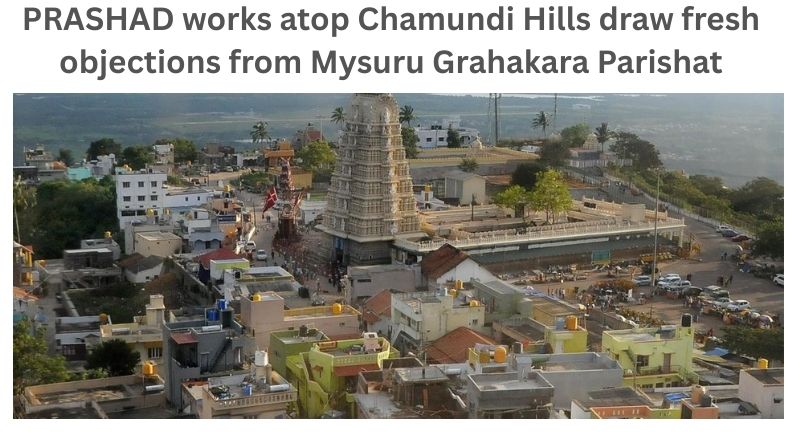
Heritage and Ecology Plans at Chamundi Hills: A Comprehensive Overview
Chamundi Hills — a scenic and spiritually significant landmark overlooking the historic city of Mysuru in Karnataka — is now at the center of a major development initiative that seeks to balance heritage preservation and ecological protection with tourism infrastructure upgrading. Thousands of devotees and visitors travel to the hill every year to pay homage at the revered Chamundeshwari Temple, enjoy panoramic views, and experience a blend of nature, history, and culture. With rising footfall and evolving tourism needs, authorities have launched the PRASHAD (Pilgrimage Rejuvenation and Spiritual Heritage Augmentation Drive) scheme to address both visitor convenience and long-term conservation goals.
Chamundi Hills: Heritage, Worship, and Natural Environment
Before diving into the new plans, it’s important to understand Chamundi Hills’ significance. Rising approximately 1,060 meters above sea level, the hill is best known for the Chamundeshwari Temple — dedicated to the fierce form of Goddess Durga, an embodiment of strength and virtue. This temple has attracted worshippers for centuries and has been patronized historically by the Wadiyar rulers of Mysuru.
The hill’s ancient stone stairway of over 1,000 steps, leading devotees from the foot to the summit, symbolizes both spiritual ascent and physical exertion. Partway up sits a massive carved statue of Nandi, the sacred bull and divine vehicle of Lord Shiva, adding further historical depth to the landscape.
The PRASHAD Scheme and Its Objectives
The Government of India’s PRASHAD scheme is designed to rejuvenate important pilgrimage destinations across the country, making them more accessible and visitor-friendly without compromising their heritage values. Chamundi Hills was shortlisted for this integrated upgrade plan — aimed at improving infrastructure such as pathways, queue management areas, rest spaces, and amenities for pilgrims.
Under this scheme, a significant Rs. 45.7 crore has been sanctioned for Chamundi Hill — with funds earmarked for a variety of interventions meant to blend modern convenience with environmentally sensitive planning.
Key Elements of the Chamundi Hills Plan
1. Stone Queue Mandapas for Orderly Darshan
One of the core features of the renovation involves constructing stone queue mandapas — shaded structures that help organize devotees into orderly lines during peak visit times. These mandapas aim to streamline darshan (the act of viewing the deity) and reduce crowding and confusion near the temple entrance.
By using locally inspired stone architecture, planners hope to retain the hill’s traditional aesthetic while offering practical improvements that reduce wear and tear on natural landscapes.
2. Enhanced Crowd and Traffic Management
Officials, including politicians and temple authorities, have stressed that crowd mismanagement has been a recurring challenge especially during festivals and VVIP visits. To address this, planners are considering separate entry and exit points, better signage, and organized pathways that reduce bottlenecks throughout the hill.
This approach is meant to improve safety, reduce congestion, and minimize environmental stress from unmanaged visitor movement.
3. Environmental Considerations and Eco-Centric Design
Despite the development initiative, authorities emphasize that ecological preservation remains a priority. The hill is a natural ecosystem with diverse flora and fauna, and many locals and activists are particularly wary of any project that could strain this delicate balance.
To mitigate environmental risks, authorities have taken several steps:
-
Ensuring that construction does not harm existing vegetation
-
Planning pathways that minimize soil erosion
-
Using materials and practices that are compatible with natural surroundings
These measures seek to ensure that infrastructure improvements do not degrade the forest cover, sacred groves, or water channels that sustain the hill’s biodiversity.
4. Stakeholder Consultation and Local Engagement
One of the positive aspects of this plan has been the attempt to include local voices. Officials have met with hill residents to gather their input and grievances, ensuring that community concerns are reflected in the project’s execution strategy.
Creating channels for resident feedback — particularly from those who live atop the hill — helps bring a more grounded perspective to the project, blending resident needs with visitor expectations.
Community Concerns and Environmental Protests
Not all reactions have been supportive. In recent weeks, environmental activists and local civil society groups have protested the ongoing civil works at Chamundi Hills, claiming that the execution lacks transparency and sufficient ecological assessments. These groups argue that:
-
Excavation and digging are occurring too close to heritage structures
-
Proper heritage impact assessments are missing
-
The works could destabilize ancient temple masonry
-
Environmental carrying capacity studies are yet to be completed
Prominent environmental organizations, including Parisarakkagi Navu and Mysuru Grahakara Parishat, have voiced these concerns and even filed petitions urging a halt to the ongoing activities until legal and environmental reviews are complete.
Balancing Heritage with Modern Visitor Needs
Chamundi Hills faces a delicate balancing act. On one hand, heritage preservation and ecological protection are paramount; on the other, the growing number of pilgrims and tourists necessitates modern infrastructure for safety, convenience, and sustainability.
Here are key areas where both goals intersect:
Heritage Integrity
While many of the planned structures — like stone mandapas — are designed to be harmonious with traditional architectural styles, activists say that any construction near temple precincts should be subjected to stricter heritage reviews.
Ecological Sensitivity
Improving visitor amenities often involves clearing land or modifying terrain. Ensuring that such activities do not harm the hill’s flora or disrupt local wildlife habitats requires strict enforcement of environmental norms and ongoing monitoring.
Visitor Experience
Better signage, walking paths, seating areas, and sanitation infrastructure are necessary for pilgrims, especially elderly visitors and first-time tourists. These improvements can elevate Chamundi Hills into a model of responsible, heritage-centric tourism.
A Shared Vision for Future Conservation
Despite differing viewpoints, there’s broad consensus on a few key themes:
-
Heritage must be protected.
-
Ecological sustainability cannot be compromised.
-
Community voices should inform planning.
-
Modern amenities should be integrated sensitively.
The Chamundi Hills development project could become a blueprint for how pilgrimage sites across India balance tradition with progress — provided that planners, conservationists, local authorities, and citizens collaborate closely.